Ferret Wellness, Vaccinations, and Adrenal Disease Prevention for Long Island Patients at Long Island Bird & Exotics Veterinary Clinic

Updated: Feb 5
Case Study #26: Ferret Wellness and Adrenal Disease Prevention
Patient: Ferrets (Mixed Ages) Location: Long Island, NY
Ferrets are among the most playful, inquisitive, and joyous pets a family can own. Ferrets are physiologically unique pets with medical needs that differ significantly from cats and dogs. They are also prone to a distinct group of common conditions known as the “Ferret Triad”: adrenal disease, insulinoma, and lymphoma.
Recently, a dedicated owner from Long Island, NY brought their "business" of ferrets (a group of four: two neutered males and two spayed females) to Long Island Bird & Exotics Veterinary Clinic for their annual wellness examinations. This case serves as a perfect model for what preventative care looks like for ferrets. While they presented with no active complaints, the visit was crucial for securing their long-term health against the common threats found in the New York area.

The Patients: A Healthy "Business" The four ferrets arrived bright, alert, and responsive. To the untrained eye, a bouncing ferret is a healthy ferret. However, ferrets are stoic animals. By the time they show lethargy or weight loss, disease processes are often advanced.
This visit was focused on three pillars of ferret health:
Physical Examination
Vaccination (Distemper and Rabies)
Adrenal Disease Prevention
Diet and husbandry education
The Exam: What We Look For Our specialized ferret veterinarians performed a nose-to-tail exam on each of the four patients.
Abdominal Palpation: We feel for enlarged spleens (common in ferrets), masses on the liver or kidneys, and most importantly, the size of the adrenal glands.
Dental Health: Ferrets are prone to tooth fractures from chewing on cage bars or toys.
Heart and Lungs: We listen for arrhythmias, which can indicate cardiomyopathy.
Fortunately, all four ferrets were in excellent body condition. Their coats were shiny, and their abdomens were soft and non-painful.
The Vaccinations: Critical Protection Ferrets are extremely susceptible to Canine Distemper Virus. This disease is almost 100% fatal in unvaccinated ferrets. It is an airborne virus, meaning even if your ferret never goes outside, they can contract it if you track the virus in on your shoes or clothes.
We administered the Distemper Vaccine, which is specifically engineered for ferrets to reduce the risk of allergic reactions. We also administered Rabies vaccines, which are required by law in New York and essential for the safety of both the pet and the owner. All four ferrets tolerated the vaccines well, with no adverse reactions.
The Conversation: Adrenal Disease Prevention The most significant part of the visit involved a discussion about Adrenal Disease.
In ferrets, the adrenal glands often become overactive due to the lack of natural light cycles and early neutering or spaying. This leads to an overproduction of sex hormones, causing hair loss, itchiness, prostate enlargement in males, and swollen vulvas in females.
Prevention is key.
We discussed the use of preventative hormonal therapy. This medical management helps regulate the adrenal glands, effectively "turning off" the signals that cause them to become enlarged and tumorous. By starting this therapy before symptoms appear, we can prevent the devastating effects of adrenal disease.
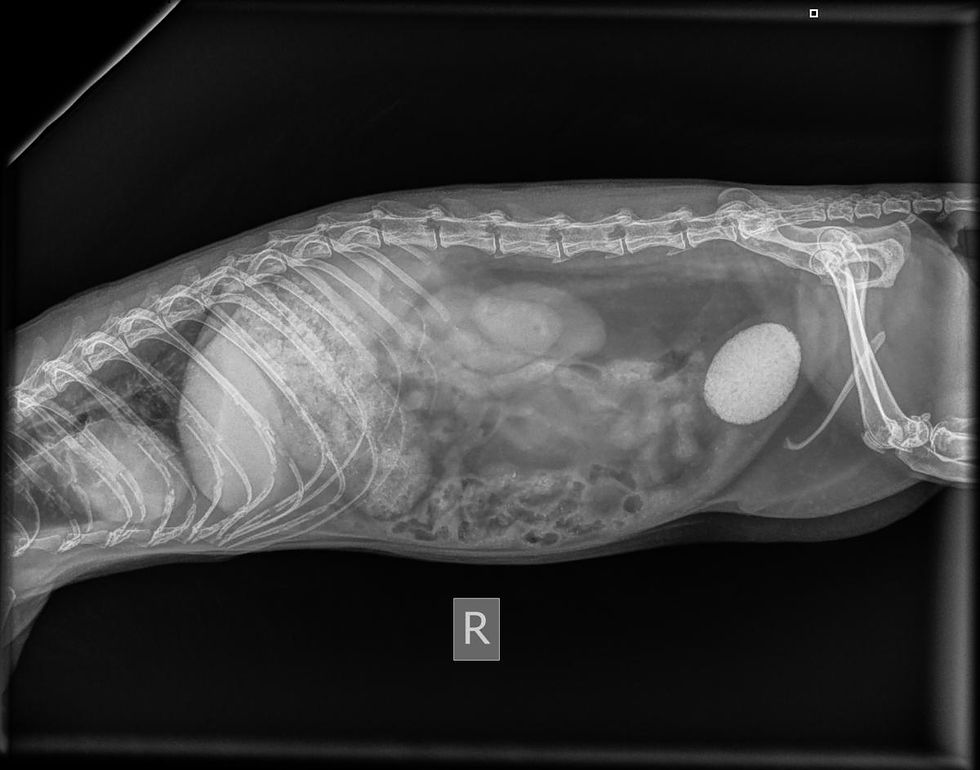
Nutritional and Husbandry Review Finally, we reviewed the diet. Ferrets are obligate carnivores. Feeding them high-quality diets is essential to preventing Insulinoma (pancreatic tumors). We also discussed "ferret-proofing" the home to prevent foreign body ingestion, a common emergency we see in Long Island ferrets.
The ferrets were discharged in good health, protected against deadly viruses, and on a plan to prevent hormonal disease.
Frequently Asked Questions (FAQs)
Do indoor ferrets really need Distemper vaccines? Yes. Canine Distemper is an airborne virus. You can walk through a park in Queens or Long Island where a sick raccoon or dog has been, pick up the virus on your shoes, and bring it home to your ferret. The mortality rate for ferrets with Distemper is nearly 100%. Vaccination is the only protection.
What are the signs of Adrenal Disease in ferrets? The most common signs are:
Hair loss (Alopecia), usually starting at the tail and moving up the back.
Intense itching.
Swollen vulva in spayed females.
Difficulty urinating in males (due to prostate enlargement).
Aggression or sexual behavior in neutered animals.
How often should my ferret see the vet? We recommend annual exams for ferrets under age 3. For ferrets over age 3, we recommend exams every 6 months. Ferrets age very quickly, and diseases like Insulinoma can develop rapidly in their senior years.
Do you treat ferrets from NYC? Yes. We are one of the primary referral centers for ferret medicine in the Tri-State area. We manage complex cases involving adrenal surgery, insulinoma management, and lymphoma chemotherapy.
Contact Long Island Bird & Exotics Veterinary Clinic: Website: https://www.birdexoticsvet.com/ Phone: (516) 482-1101