
Ferret Insulinoma and Bladder Stone Surgery for Long Island Patient at Long Island Bird & Exotics Veterinary Clinic

Ferrets are energetic, playful companions, but they are prone to a specific "triad" of diseases as they age: Adrenal Disease, Insulinoma, and Lymphoma. Additionally, ferrets can suffer from urinary tract issues. It is not uncommon for a ferret to present with multiple conditions simultaneously, requiring a veterinary team with deep expertise in ferret medicine.
The patient, a 5-year-old neutered male ferret from Long Island, NY, came to Long Island Bird & Exotics Veterinary Clinic with a worrying mix of symptoms. The ferret was weak in the hind legs—a potential sign of low blood sugar—but the ferret also had a firm mass in the abdomen. This case demonstrates our ability to tackle multiple complex pathologies in a single surgical session.
The Patient: Weakness and Lethargy
The patient's owners noticed that the ferret was "dragging" its back legs and experiencing intermittent lethargy. The ferret would have moments where it seemed to "crash" and stare into space.
Upon physical examination, our veterinarian identified two distinct concerns:
Neurological/Metabolic: The hind limb weakness and "spacing out" strongly suggested Insulinoma (tumors on the pancreas that secrete too much insulin).
Physical Obstruction: Abdominal palpation revealed a firm, stone-like structure in the bladder area.
The Diagnosis: Two Conditions, One Patient
We performed a comprehensive diagnostic workup to confirm our suspicions.
Bloodwork: Revealed borderline hypoglycemia (low blood sugar). This confirmed the clinical suspicion of Insulinoma. The pancreatic tumors were driving the patient's blood sugar dangerously low, causing the weakness.
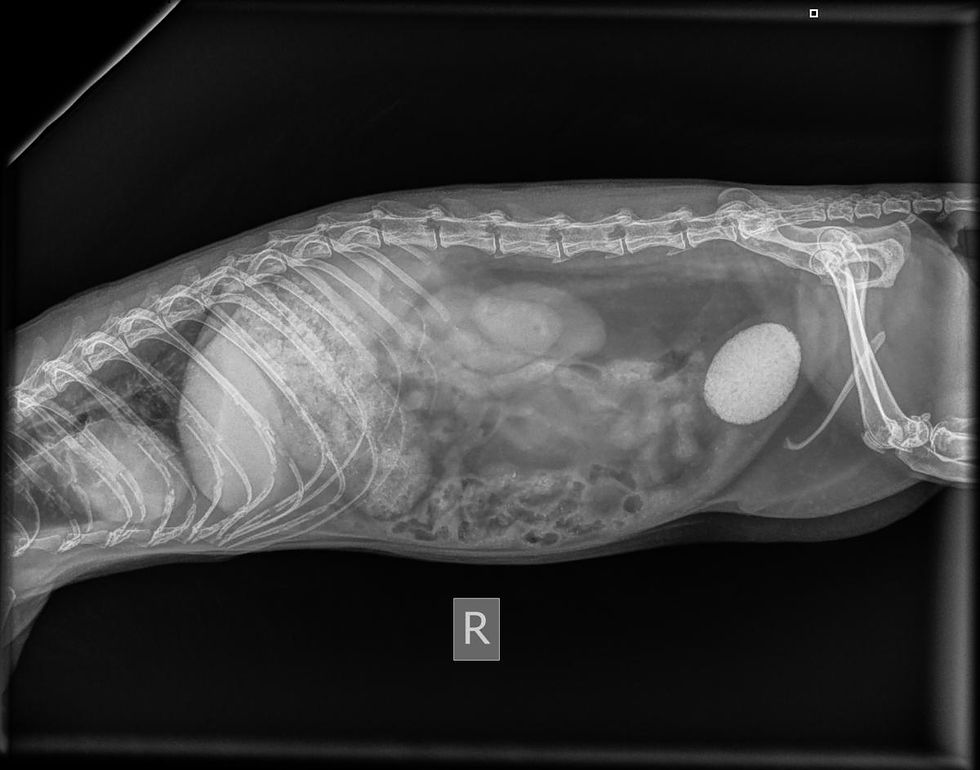
Radiographs (X-rays): The imaging revealed a large Urinary Bladder Calculus (stone).
The patient was confronting two simultaneous risks: low blood sugar from the insulinoma and a potential urinary blockage from the stone.
The Treatment: Surgery and Medical Management
To provide the best outcome for the patient, we decided to address the bladder stone surgically while simultaneously starting management for the insulinoma.
1. Cystotomy (Bladder Stone Removal)
The patient was placed under general anesthesia. We performed a Cystotomy, opening the bladder to remove the large stone. This eliminated the risk of a urinary obstruction, which is a fatal emergency in male ferrets.
2. Insulinoma Management
While the patient was under anesthesia, we initiated a long-term plan for the patient's insulinoma.
Hormonal Therapy: We administered specialized medical therapy designed to help manage the symptoms of adrenal/pancreatic dysregulation.
Steroid Therapy: Post-operatively, the patient was prescribed oral steroids (prednisolone). Steroids help raise blood sugar levels by stimulating the liver to release glucose. This counteracts the effects of the insulin-secreting tumors.
Recovery: A Bouncing Ferret Again
Post-operatively, the patient was placed on strict cage rest at the patient's home in Long Island to allow the patient's bladder incision to heal. The patient was sent home with pain medications and antibiotics.
The transformation was rapid. With the painful stone gone and the patient's blood sugar stabilized by the medication, the patient's energy returned. The "hind leg weakness" disappeared, and the ferret returned to its playful, energetic self. The ferret continues to be managed medically for its insulinoma, with regular blood sugar checks at our clinic to adjust its dosage as needed.
Why Ferret Expertise is Crucial
Treating ferrets requires a specialized understanding of their unique endocrinology. Without this knowledge, a stone might be addressed while subtle signs of insulinoma are overlooked, potentially leading to a hypoglycemic crisis later.
At Long Island Bird & Exotics Veterinary Clinic, we treat ferrets daily. We understand the "Ferret Triad" and screen for these conditions proactively, ensuring our patients from Nassau and Suffolk County live long, healthy lives.
Frequently Asked Questions (FAQs)
What is Insulinoma in ferrets?
Insulinoma is a condition in which small tumors develop on the pancreas and produce excessive amounts of insulin. This overproduction causes the ferret’s blood sugar to drop dangerously low, a condition known as hypoglycemia. Common signs of low blood sugar can be subtle and include staring into space, drooling, pawing at the mouth, and weakness in the hind limbs. Some ferrets may also appear unusually lethargic, wobbly, or disoriented. If left untreated, the hypoglycemia can progress to more severe complications, such as seizures, collapse, and potentially life-threatening consequences. Early recognition and proper management are essential to maintaining the ferret’s health and quality of life.
Can Insulinoma be cured?
Insulinoma is rarely completely cured because the tumors are often small, numerous, and spread throughout the pancreas. However, the condition can usually be managed effectively for years. Treatment options include medications such as steroids or other drugs that help maintain normal blood sugar, and careful monitoring to catch early signs of hypoglycemia. Regular veterinary check-ups and prompt attention to subtle changes in behavior or appetite are essential for keeping affected ferrets healthy and comfortable.
Why do ferrets get bladder stones?
Bladder stones in ferrets can develop due to a combination of factors, including genetics, age, sex, and underlying health conditions. Diet can play a role, but it is not the only cause—ferrets are strict carnivores, and certain diets or imbalances can contribute to changes in urine composition that may promote stone formation. Ensuring high-quality, nutritionally complete ferret food and regular veterinary check-ups can help reduce the risk and catch stones early.
Is surgery safe for a 5-year-old ferret?
While all anesthesia carries some risk, age itself is not a disease. With proper bloodwork and careful anesthesia monitoring, ferrets of any age—including those considered middle-aged or senior—can safely undergo surgery. We routinely perform procedures on ferrets across all age groups.
How do I prevent these diseases?
Regular wellness exams are key. We recommend bloodwork every year for ferrets to catch insulinoma early (before symptoms start). Preventing adrenal disease with regular medical treatments is also highly recommended.
Is your ferret dragging their back legs? It might be more than just "old age."
Contact Long Island Bird & Exotics Veterinary Clinic:
Website: https://www.birdexoticsvet.com/
Phone: (516) 482-1101
Schedule Online: Contact Us
Located in Great Neck, NY – The leading Ferret Veterinarians for Long Island and NYC.


